
Bitumen roof renovation
A renovation starts by walking the roof and establishing what is actually there. Only then is it decided whether a new covering over the old one is enough or the old one has to come off — and that decision is explained.
When this is needed
A bitumen roof rarely fails all at once; it fails over years. The surface goes brittle, seams open, and water finds a way into the structure. Most damage is cheaper to repair while it is still visible on the roof rather than inside the building.
- Damp marks or runs are visible on the ceiling or in the top floor structure.
- The covering is cracked or blistered, or the mineral surfacing has worn away over a large area.
- Water stands on the roof long after it has rained.
- The top edge of an upstand, a drain or a penetration has come loose, or its seal has failed.
What the work includes
- 01Walking the roof and locating the damage: what is wear and what is a leak.
- 02A reasoned decision on whether the new covering goes over the old one or the old one is stripped.
- 03Removing wet or damaged insulation to the extent that it has taken on water.
- 04Renewing or resealing drains, upstands and penetrations as part of the new covering.
- 05Documenting the work before and after, so the repaired areas can still be pointed to later.
The extent of the damage often becomes clear only once the covering is opened. We say so as soon as it is visible, and we do not go beyond the agreed scope without discussing it first.

How it runs
How a project runs.
- We look at the site
- We agree the work
- We prepare
- We do the work
- We finish and hand over
Quality of work
What decides the roof shows up close.
Good roofing work stands inspection from a few centimetres away.
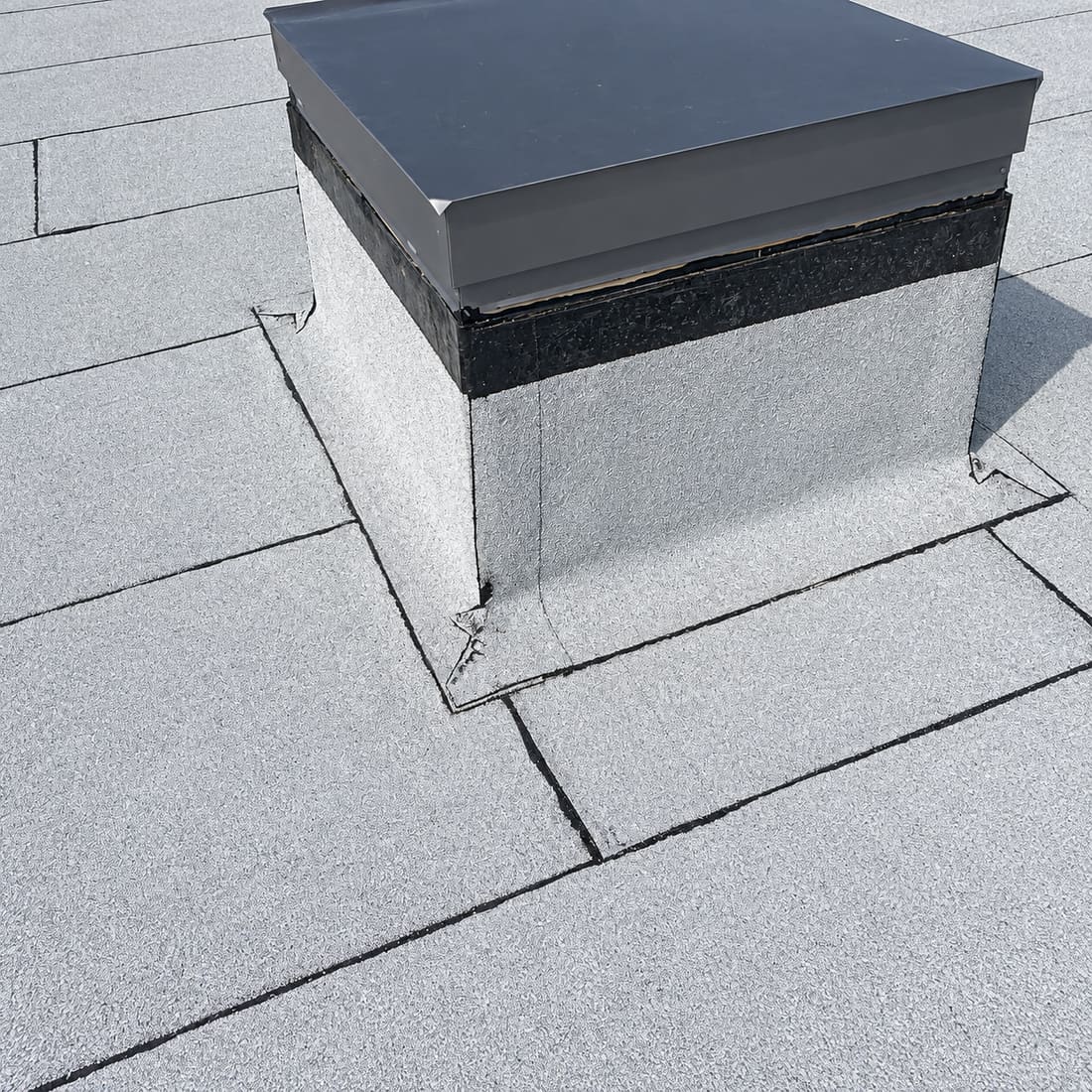
Upstand
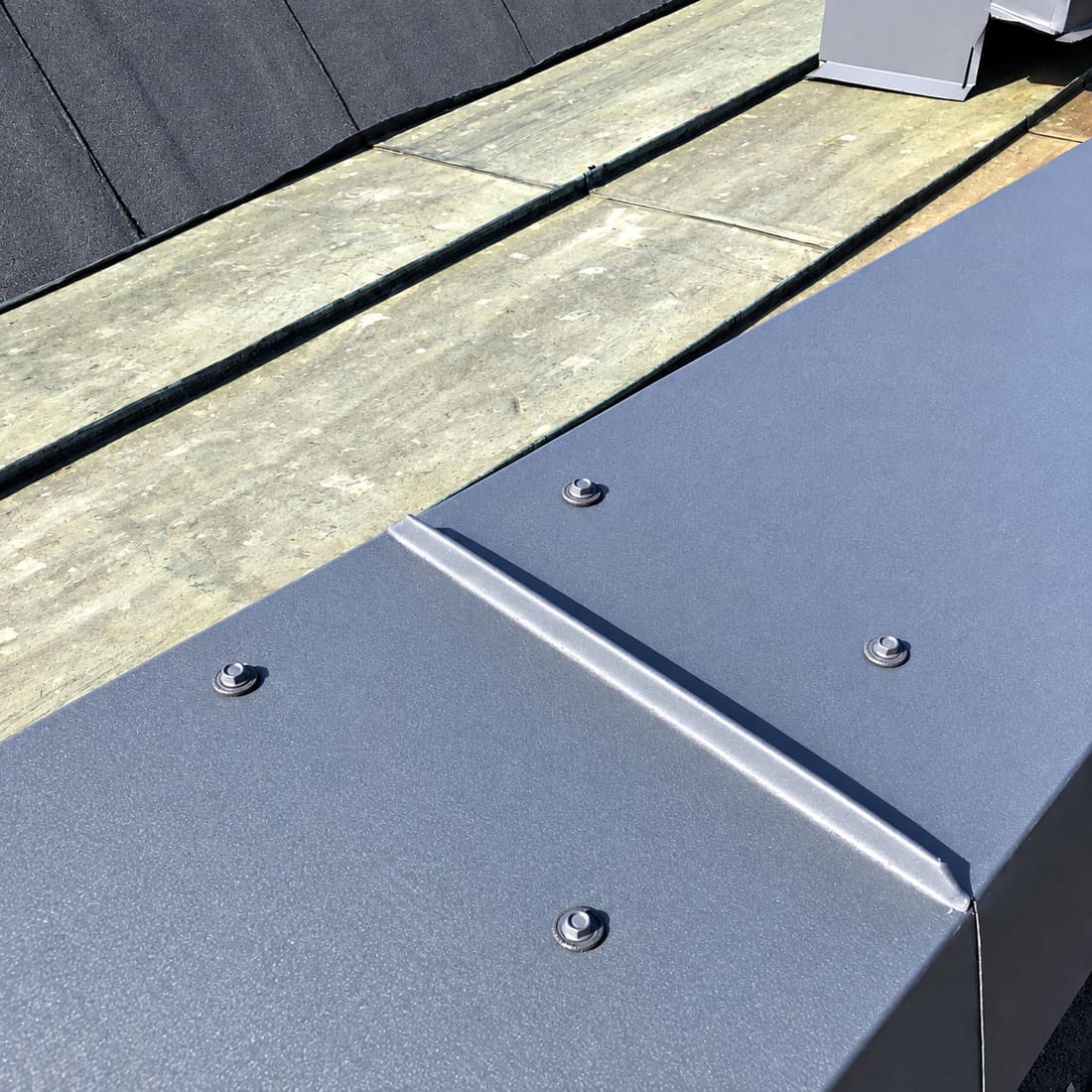
Connection
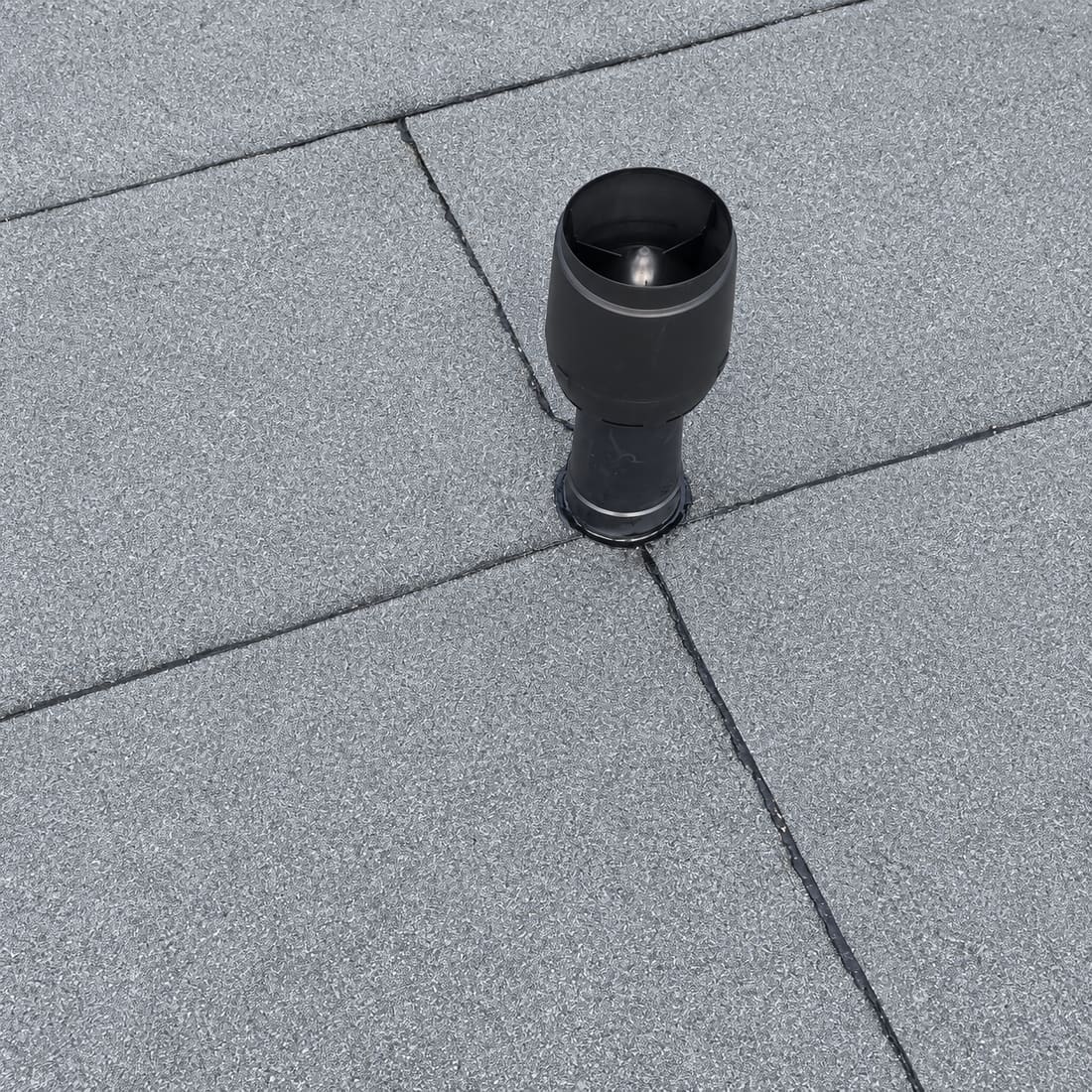
Penetration
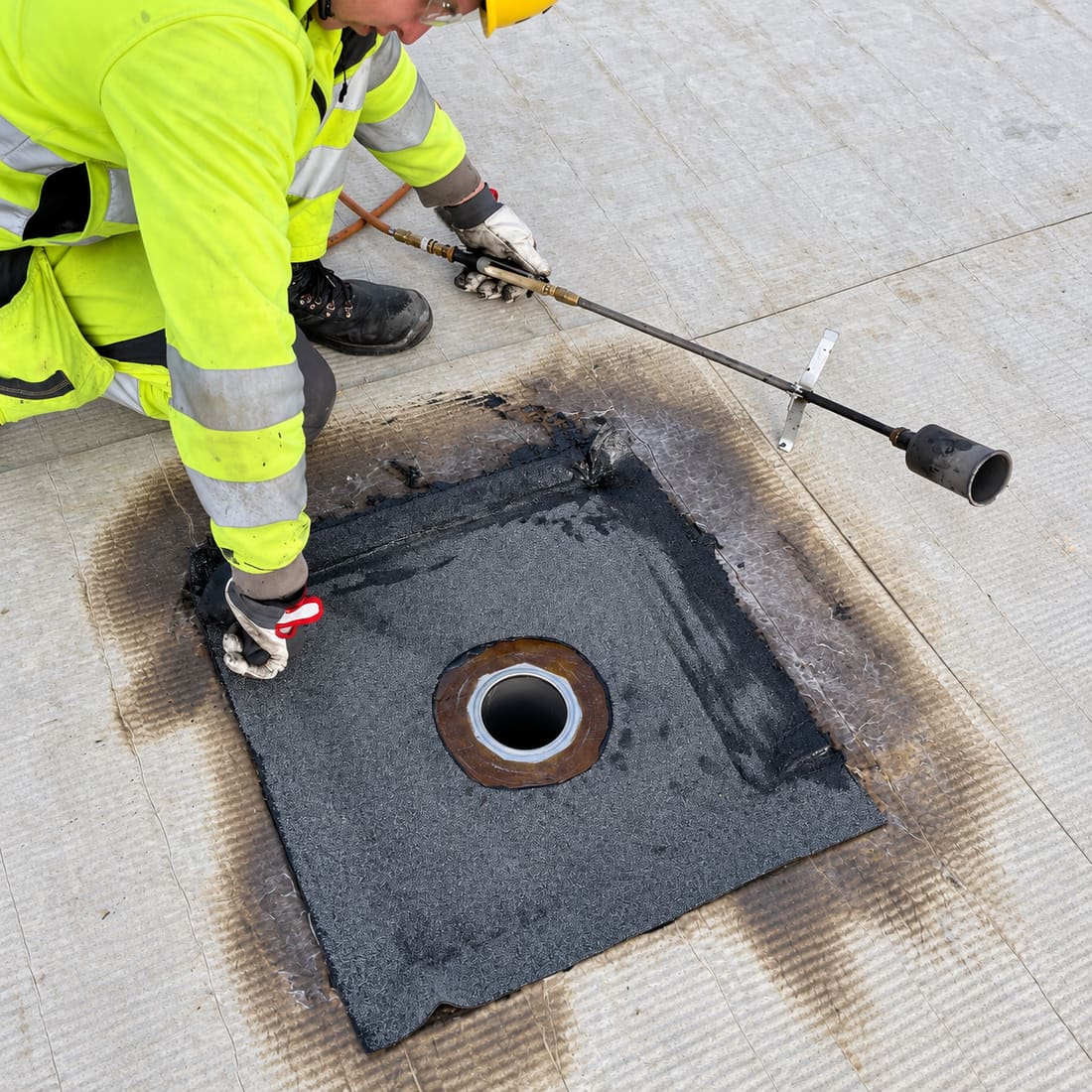
Roof drain


Contact
Tell us about the building and we will work out what fits.
We walk the site before quoting, so the scope is clear on both sides.
Contact
Mikk Maask
Hankintapäällikkö